
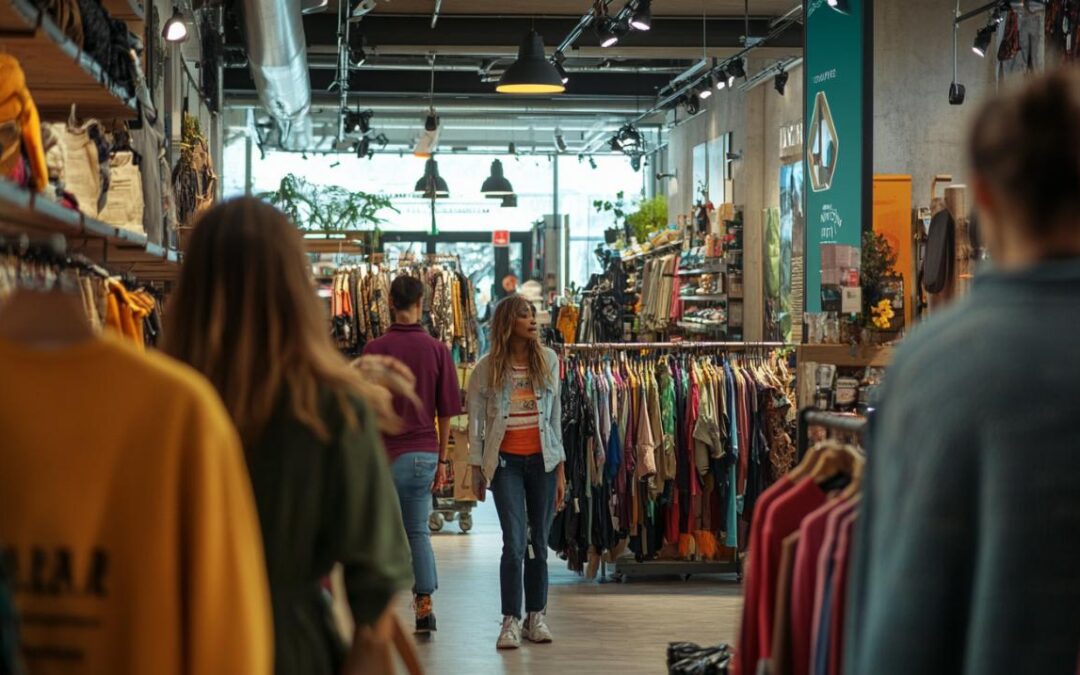
Finding stylish clothing without breaking the bank whilst also caring for the environment has become a priority for many shoppers across the United Kingdom. The modern consumer is increasingly aware of the impact their purchasing decisions have on both their wallet and the planet. Balancing affordability with sustainability is no longer an impossible dream but rather an achievable goal through thoughtful shopping habits and a willingness to explore alternative avenues for building a wardrobe. This approach not only helps to reduce waste but also encourages a more mindful relationship with the clothing we wear every day.
Smart shopping strategies for budget-conscious fashion lovers
Savvy shoppers understand that securing great discounts on fashion items requires a combination of timing, patience, and resourcefulness. One of the most effective methods involves keeping a detailed shopping list to avoid impulse purchases that can quickly drain your budget and clutter your wardrobe with items you may never wear. Before adding anything to your basket, consider whether you will genuinely wear the piece at least thirty times. This simple rule can dramatically reduce unnecessary spending and help you focus on acquiring garments that truly enhance your existing collection.
Mastering the Art of Finding Discount Codes and Seasonal Sales
Taking advantage of seasonal sales and discount codes has become an essential skill for those seeking to stretch their clothing budget further. Many ethical and sustainable brands offer promotional codes to their followers on social media platforms, rewarding loyal customers with exclusive access to reduced prices. Signing up for newsletters from your favourite retailers often comes with an immediate benefit, such as a percentage off your first purchase, and keeps you informed about upcoming sales events. Shopping during off-season periods can yield remarkable savings, as retailers clear their stock to make room for new collections. Purchasing a winter coat in spring or summer swimwear in autumn can result in significant price reductions whilst still allowing you to acquire quality pieces that will serve you well when the appropriate season arrives.
Exploring Charity Shops, Car Boot Sales and Online Marketplaces for Hidden Gems
The thriving second-hand market offers an abundance of opportunities to discover unique clothing at a fraction of the original retail price. Charity shops scattered throughout towns and cities across the country house an ever-changing selection of pre-loved clothing, with many items arriving in excellent condition and some even bearing their original tags. These establishments not only provide bargain hunters with affordable options but also contribute to textile recycling efforts, as unsold items are often processed for reuse rather than ending up in landfills. Car boot sales present another treasure trove for those willing to rise early on weekend mornings, offering the chance to negotiate prices directly with sellers and uncover vintage pieces that add character to any wardrobe. Online platforms such as eBay and Vinted have revolutionised the second-hand shopping experience by bringing the marketplace into your home, allowing you to browse thousands of listings from the comfort of your sofa and filter results according to your specific preferences and budget.
Embracing sustainable fashion through second-hand shopping
Choosing to purchase pre-loved clothing represents one of the most impactful decisions a consumer can make in terms of reducing environmental harm. The fashion industry has long been associated with significant waste and pollution, with garments frequently discarded after minimal use. By extending the lifecycle of existing clothing through second-hand shopping, individuals actively participate in waste reduction and challenge the throwaway culture that has dominated consumer behaviour in recent decades.
The environmental benefits of buying pre-loved clothing
Research has demonstrated that extending the active life of clothing by just nine months can reduce carbon, waste and water footprints by approximately twenty to thirty per cent each. This substantial impact occurs because the environmental cost of producing new garments, including the cultivation of raw materials, manufacturing processes, transportation and packaging, has already been absorbed by the original purchase. When you buy second-hand, you effectively prevent a garment from entering the waste stream whilst avoiding the environmental burden associated with creating a new item. Charity shops and vintage stores also play a crucial role in textile recycling, ensuring that even items that cannot be resold find alternative uses rather than contributing to landfill waste. The growing popularity of platforms like ThredUp has made sustainable shopping more accessible to a broader audience, particularly for those who may not have convenient access to physical second-hand shops in their local area.
Building a Quality Wardrobe with Vintage and Nearly New Pieces
Second-hand shopping offers more than just environmental benefits; it also provides an opportunity to curate a distinctive wardrobe filled with quality pieces that reflect your personal style. Vintage stores specialise in garments from previous decades, offering clothing constructed with attention to detail and durability that is often lacking in contemporary fast fashion. These pieces frequently feature superior fabrics and craftsmanship, having already proven their longevity by surviving years or even decades of wear. Shopping pre-loved also allows you to experiment with different styles and trends without the financial commitment of buying new, making it easier to discover what truly works for you. Organising clothing swap parties with friends and family creates a cost-free method of refreshing your wardrobe whilst strengthening social connections, as everyone brings items they no longer wear and leaves with pieces that feel new to them.
Choosing eco-friendly materials and ethical brands
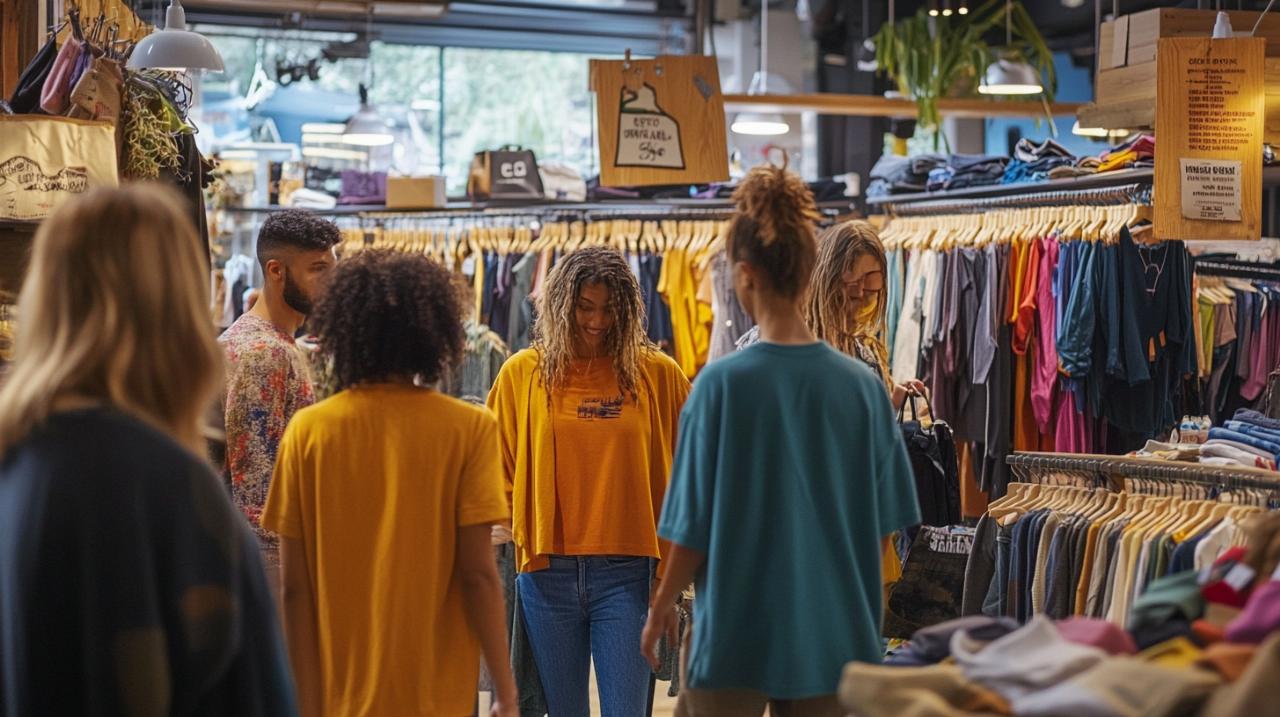
Understanding the materials that comprise your clothing and the practices of the brands you support represents a crucial aspect of sustainable shopping. Not all fabrics are created equal, and some have significantly greater environmental impacts than others. Similarly, the conditions under which garments are produced, including worker treatment and fair wages, should factor into purchasing decisions for those committed to ethical consumption.
Understanding Sustainable Fabrics and Their Impact on the Planet
Being smart about fabrics means looking for recycled, organic or renewable materials whenever possible. Certifications such as GOTS, which stands for Global Organic Textile Standard, and BCI, the Better Cotton Initiative, provide assurance that textiles have been produced according to strict environmental and social criteria. These labels help consumers navigate the often confusing landscape of sustainability claims and identify genuinely responsible products. When purchasing activewear or swimwear, opting for recycled polyester and nylon reduces the demand for virgin plastic production whilst giving new life to materials that might otherwise pollute oceans and landscapes. Avoiding fabric blends aids in recycling efforts, as garments made from a single fibre type can be more easily processed at the end of their useful life. Natural dyes represent another consideration, as conventional dyeing processes can introduce harmful chemicals into water systems, whereas plant-based alternatives offer a more environmentally friendly option.
Supporting brands committed to environmental responsibility
Slow fashion stands in direct contrast to the fast fashion model that has dominated the industry in recent years. Brands that embrace slow fashion principles prioritise durable, high-quality clothing designed to last, considering the complete product lifecycle and maintaining ethical supply chains from raw material sourcing through to final sale. Supporting these companies with your purchases sends a clear message about consumer values and helps to shift the industry towards more sustainable practices. Many ethical brands now make information about their production methods readily available, allowing shoppers to make informed decisions based on transparency rather than marketing claims alone. Some designers and retailers, including notable examples like Stella McCartney, have built their entire brand identity around vegan and sustainable materials, demonstrating that style and environmental responsibility can coexist beautifully. Shopping locally whenever possible reduces the carbon footprint associated with transportation, as goods travel shorter distances from production to purchase point.
Caring for Your Wardrobe to Maximise Longevity
Acquiring sustainable and affordable clothing represents only the first step in building an environmentally conscious wardrobe. How you care for your garments once they are in your possession significantly influences their lifespan and overall environmental impact. Proper maintenance practices can extend the usable life of clothing by years, reducing the frequency with which items need to be replaced and thereby lessening both financial expenditure and environmental burden.
Proper washing, storage and maintenance techniques
Washing clothes less frequently and at lower temperatures preserves fabric integrity whilst also reducing energy consumption and water usage. Many garments do not require cleaning after every wear, particularly items like jeans and jumpers that can be aired out and spot-cleaned when necessary. When washing is required, using a full load maximises efficiency, and air-drying rather than tumble-drying saves energy whilst being gentler on fabrics. Proper storage protects clothing from damage, with items folded or hung appropriately according to their construction and fabric type. Seasonal rotation of your wardrobe helps you assess what you own and identify pieces that may need attention before they are needed again. Shopping your own wardrobe by rediscovering forgotten items can feel like acquiring new clothing without any associated cost or environmental impact, and encourages creative styling with existing pieces.
Simple Repairs and Alterations to Extend Garment Lifespan
Mending clothes is a sustainable practice that connects you to your clothing in a meaningful way whilst being cheaper than purchasing replacements. Darning socks was common in the North of England during the late nineteenth and early twentieth centuries, and this practical skill is experiencing a resurgence as people rediscover the satisfaction of repairing rather than discarding. Basic sewing skills allow you to address minor issues like loose buttons, small tears and dropped hems before they become serious problems requiring professional intervention. Upcycling and scrap busting offer creative ways to repurpose clothing that may no longer suit your style or fit properly, transforming them into entirely new pieces or using the fabric for other projects. Making your own clothes, whilst requiring an initial investment in skills and equipment, allows complete control over materials and production methods, ensuring that every aspect of the garment aligns with your values. Resources like The Haberdasher Bee aim to provide affordable, sustainable tools for making, supporting those who wish to develop their skills in clothing construction and repair. Analysing your wardrobe seasonally helps identify what you have and what you genuinely need, reducing the likelihood of impulse purchases and encouraging investment in staple pieces that form the foundation of a versatile wardrobe.