

As communities across the United Kingdom grapple with the pressing need to address environmental challenges, a quiet revolution is taking shape in homes, high streets, and countryside alike. People are increasingly embracing practices that not only reduce their ecological footprint but also foster a sense of connection and purpose. These shifts, driven by a blend of necessity, innovation, and genuine care for the planet, are reshaping how individuals and families approach daily life. The conversation around sustainable living trends in society has moved from the margins to the mainstream, influencing everything from what we eat to how we shop and even the ways we repair and reuse everyday items.
The Rise of Circular Economy Practices in British Communities
The concept of a circular economy, which emphasises waste minimisation and resource efficiency through reducing, reusing, and recycling, has gained remarkable traction in recent years. Rather than following the traditional model of taking resources, making products, and discarding them, communities are now exploring creative ways to extend the lifespan of goods and materials. This approach not only conserves precious resources but also challenges the throwaway culture that has dominated consumer behaviour for decades. Across the United Kingdom, people are rediscovering the value of repair, exchange, and mindful consumption, demonstrating that sustainability can be both practical and rewarding.
How local repair cafés are reducing waste across the uk
In village halls, community centres, and church basements, a growing network of repair cafés is bringing together volunteers with a knack for fixing things and residents with items that need a new lease of life. These informal gatherings offer a space where broken toasters, torn garments, and malfunctioning bicycles can be mended rather than discarded. The beauty of these cafés lies not only in their environmental impact but also in the social connections they foster. Neighbours who might never have spoken share stories over a cup of tea while waiting for a lamp to be rewired or a toy to be reassembled. The emphasis on collective action and community engagement ensures that knowledge about repair techniques is passed down and shared, reinforcing the idea that sustainability is a collaborative endeavour.
The environmental benefits are tangible. By diverting items from landfills and reducing the demand for new products, repair cafés contribute to resource efficiency and help address the global competition for resources. They also challenge the notion that newer is always better, encouraging a shift in values and lifestyles towards appreciation for craftsmanship and durability. In an era where technological change and innovation often prioritise novelty over longevity, these grassroots initiatives offer a refreshing counterbalance, reminding us that some of the most impactful solutions are rooted in simplicity and human ingenuity.
The Growing Popularity of Second-Hand Markets and Swap Shops
Alongside repair cafés, second-hand markets and swap shops have experienced a renaissance, particularly among younger generations who are keen to reduce their environmental impact while also making savvy consumer choices. Charity shops, vintage boutiques, and online platforms dedicated to pre-loved goods have become go-to destinations for those seeking unique items without the environmental cost of new production. The appeal extends beyond sustainability, as shoppers relish the thrill of discovering hidden gems and the satisfaction of knowing their purchases support a more circular model of consumption.
Swap shops, where individuals exchange clothing, books, toys, and household items without money changing hands, take the concept even further. These events embody the spirit of responsible consumption and production, one of the United Nations Sustainable Development Goals established in 2015 with targets for 2030. Participants leave with items they need or desire, while ensuring that goods remain in use for as long as possible. The social aspect is significant as well, as swap shops often become lively gatherings where people share tips on sustainable fashion, discuss ethical sourcing, and celebrate the joy of giving old things a new purpose. This movement is a testament to the power of education and awareness in driving societal change, as individuals become more informed about the environmental and social implications of their choices.
Plant-Based Living and Its Influence on British Food Culture
Food is a deeply personal and cultural matter, yet it is also one of the most significant areas where individual choices intersect with global environmental challenges. The way we produce, consume, and think about food has profound implications for climate change, biodiversity, and food security. In recent years, a noticeable shift has occurred in British households, with more people embracing plant-based diets or reducing their meat consumption. This transition is not simply a passing fad but reflects a broader awareness of the environmental, ethical, and health dimensions of what we put on our plates.
The shift towards flexitarian diets in uk households
The term flexitarian, which describes someone who primarily eats plant-based foods but occasionally includes meat or fish, has gained widespread acceptance as a pragmatic and inclusive approach to sustainable eating. Rather than demanding an all-or-nothing commitment, flexitarianism acknowledges that even modest reductions in meat consumption can yield significant environmental benefits. For many families, this shift has been driven by concerns about climate action and the desire to reduce emissions associated with livestock farming. Others are motivated by health and wellbeing, as plant-rich diets have been linked to numerous positive health outcomes.
Supermarkets and food retailers have responded to this trend by expanding their offerings of plant-based products, from dairy alternatives to meat substitutes that mimic traditional favourites. This increased availability has made it easier for households to experiment with new recipes and ingredients, integrating sustainable practices into their daily routines without feeling deprived or restricted. The change is also reflected in school canteens, workplace cafeterias, and restaurants, where menus increasingly feature diverse plant-based options. This cultural shift is a clear example of how consumer choices can drive broader changes in industry and infrastructure, creating a feedback loop that reinforces sustainable behaviours.
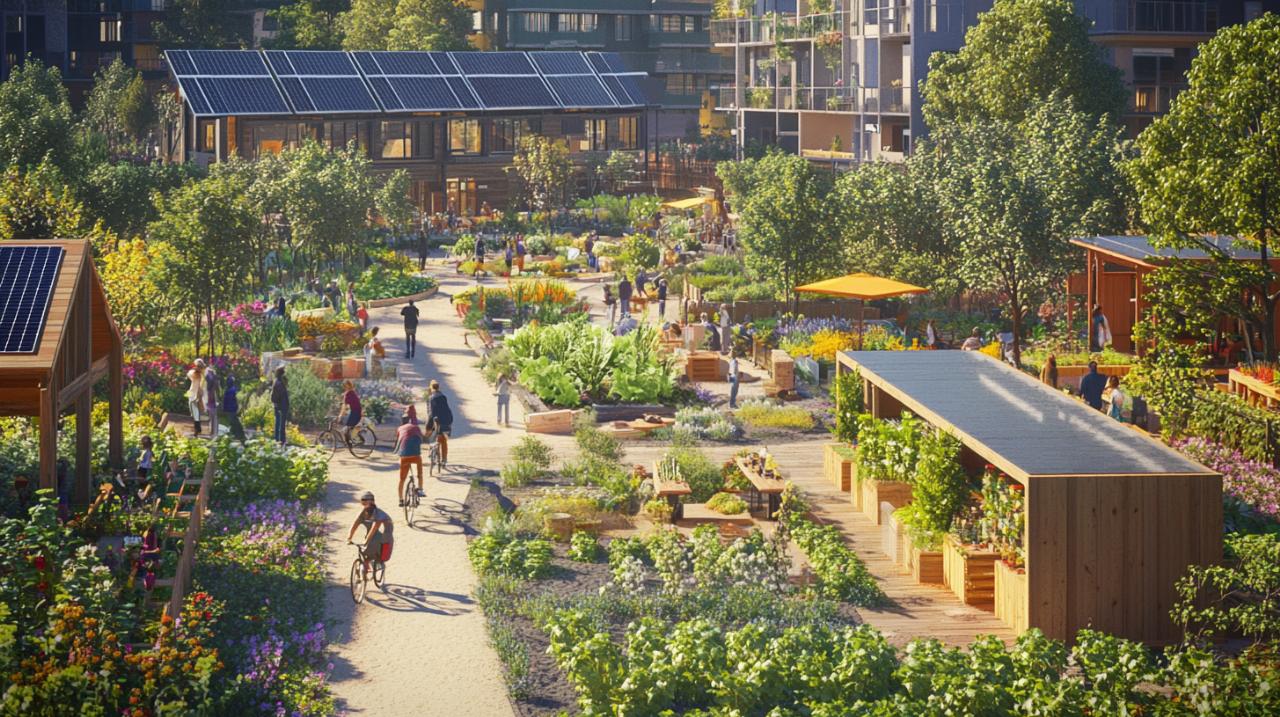
How sustainable agriculture is reshaping british farming practices
Behind the scenes, farmers and agricultural producers are also rethinking their methods in response to both environmental pressures and evolving consumer expectations. Sustainable agriculture prioritises soil health, biodiversity, and food security, moving away from intensive practices that deplete the land and rely heavily on chemical inputs. Techniques such as crop rotation, reduced tillage, and integrated pest management are being adopted to enhance the resilience and productivity of farms while minimising harm to ecosystems. The emphasis on ecosystem services, such as clean water and climate regulation, underscores the interconnectedness of farming practices and broader environmental health.
Government policies and international cooperation play a crucial role in supporting this transition. The European Green Deal, for instance, has been identified as a potential lever for change, although there are barriers to changing production and consumption patterns. Farmers face challenges including financial pressures, the need for new skills and knowledge, and the unpredictability of weather patterns linked to climate change and environmental degradation worldwide. Despite these obstacles, many producers are committed to sustainable agriculture as a long-term strategy that benefits both their livelihoods and the planet. The growing demand for locally sourced, organic, and ethically produced food further incentivises these practices, creating opportunities for green industries and decent work in rural communities.
As these trends continue to evolve, they reflect a broader recognition that sustainable living requires considering environmental, social, and economic factors in tandem. The shift towards circular economy practices and plant-based living demonstrates that meaningful change often begins at the local level, driven by collective action, community engagement, and a willingness to challenge established norms. Education remains a powerful tool in this transformation, empowering individuals to make informed choices and inspiring others to join the movement. While global challenges such as poverty, inequality, and resource scarcity persist, the efforts of communities across the United Kingdom offer a hopeful reminder that ordinary people can be extraordinary drivers of change. Through repair cafés, swap shops, flexitarian diets, and sustainable farming, society is not only addressing the environmental crisis but also rediscovering the values of care, cooperation, and creativity that lie at the heart of a truly sustainable future.