
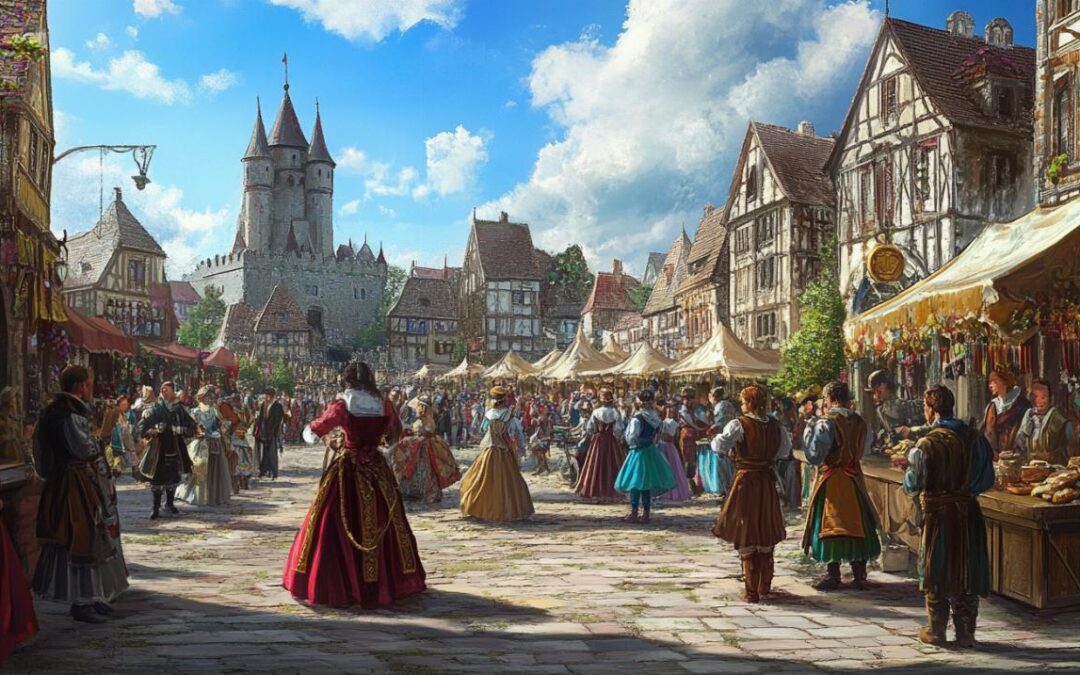
The cultural landscape of Europe has long been defined by festivals that weave together history, tradition, and community. These celebrations, whether rooted in ancient pagan customs or shaped by centuries of religious observance, continue to evolve as they respond to the changing values and priorities of contemporary life. Today, modern society trends are profoundly influencing how festivals are organised, experienced, and understood, making them not only guardians of heritage but also reflections of current social movements and environmental awareness.
The Evolution of Traditional Celebrations in Contemporary Europe
Throughout Europe, festivals have served as vital expressions of regional identity and collective memory. From the vibrant processions of Southern Europe to the intricate folk rituals preserved in Eastern European communities, these events have historically connected people to their ancestral past. Christmas markets, seasonal harvest gatherings, and midsummer festivities remain deeply embedded in the cultural fabric of countries across the continent. Yet as societies grow more interconnected and diverse, the ways in which these traditions are celebrated have begun to shift, blending time-honoured customs with innovative approaches that speak to a modern audience.
Historical roots and their modern interpretations
Many of Europe’s most beloved festivals can trace their origins back to pagan rituals that marked the changing of the seasons or honoured natural cycles. Midsummer celebrations in Scandinavia, for example, continue to pay homage to ancient customs centred on light and fertility, while harvest festivals across Central and Western Europe reflect agrarian traditions that predate modern industrialisation. Religious events such as Easter and Christmas have similarly evolved over centuries, absorbing local customs and folklore to become the rich, multifaceted celebrations known today. In recent years, however, there has been a noticeable trend towards reinterpreting these historical narratives in ways that resonate with contemporary audiences. Festival organisers are increasingly mindful of the need to present traditions not as static relics but as living practices that can adapt and grow. This has led to creative programming that honours the past while embracing new forms of artistic expression, from multimedia installations at medieval fairs to immersive storytelling at historical reenactments.
Community engagement and social cohesion through festival participation
One of the most enduring strengths of cultural heritage festivals is their capacity to bring people together. Whether it is a small village gathering or a major urban event, festivals create spaces where community bonds can be strengthened and shared identities celebrated. In an era marked by increasing mobility and social fragmentation, these occasions offer valuable opportunities for people to connect with one another and with the places they inhabit. The FESTSPACE project, which examined the impact of festivals on public spaces in urban environments between 2019 and 2022, highlighted the complex ways in which such events can foster integration and diversity. The research, led by scholars from institutions across the United Kingdom, Ireland, Sweden, and Spain, explored whether festivals serve to make public spaces more inclusive or, conversely, whether they sometimes reinforce exclusion. The findings underscored the importance of thoughtful planning and inclusive programming in ensuring that festivals truly benefit all members of a community. By actively engaging diverse populations and creating environments where different cultural backgrounds can be expressed and appreciated, festivals can play a crucial role in building social cohesion and mutual understanding.
Sustainability and inclusivity: reshaping european cultural heritage events
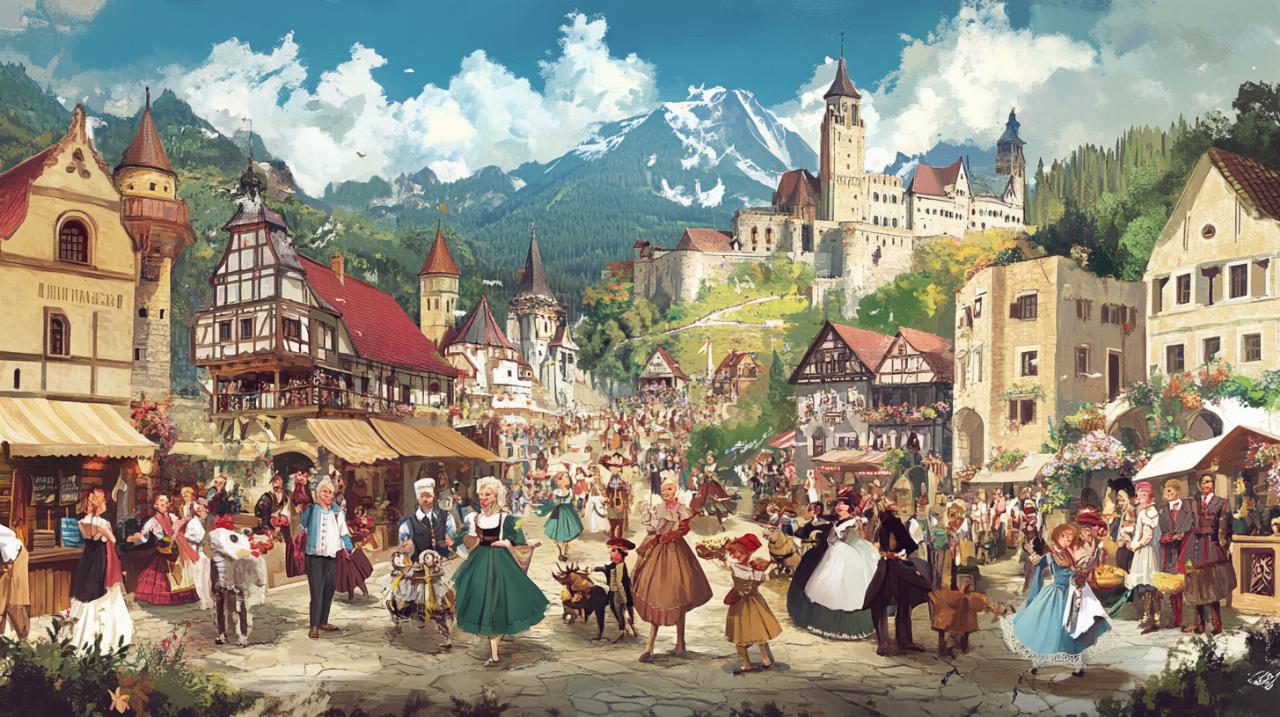
As awareness of environmental and social issues has grown, so too has the expectation that festivals demonstrate responsibility and forward-thinking values. No longer is it sufficient for an event to simply celebrate tradition; organisers are now called upon to consider the broader impacts of their work, from ecological footprints to questions of access and representation. This shift reflects broader modern society trends that prioritise sustainability, equity, and community well-being, and it is fundamentally reshaping the landscape of cultural heritage festivals across Europe.
Environmental Consciousness in Festival Organisation and Practice
The environmental impact of large-scale gatherings has become a pressing concern in recent years, prompting festival organisers to rethink every aspect of their operations. From reducing waste and minimising carbon emissions to sourcing local and sustainable materials, there is a growing commitment to making festivals greener. Many Christmas markets, for instance, have begun to adopt eco-friendly practices, such as using renewable energy sources, offering reusable or biodegradable packaging, and encouraging visitors to use public transport. Similarly, music and arts festivals are increasingly implementing comprehensive recycling programmes and working with vendors who adhere to sustainable practices. These efforts are not merely symbolic; they represent a genuine recognition that the preservation of cultural heritage is inextricably linked to the preservation of the natural environment. By demonstrating environmental stewardship, festivals can serve as models for other sectors and inspire attendees to adopt more sustainable behaviours in their own lives.
Embracing Diversity and Accessibility in Traditional Celebrations
Inclusivity has emerged as a defining principle for contemporary festival programming. Organisers are working to ensure that events are accessible to people of all ages, abilities, and backgrounds, breaking down barriers that have historically limited participation. This includes practical measures such as providing wheelchair access, offering multilingual information, and ensuring that programming reflects the diversity of the communities being served. Beyond physical accessibility, there is also a growing emphasis on cultural inclusivity. Festivals are increasingly featuring performances and activities that celebrate a wide range of traditions, recognising that Europe’s cultural heritage is not monolithic but rather a rich tapestry woven from many different threads. This approach not only enriches the festival experience but also promotes a more inclusive sense of belonging, where everyone can see themselves reflected in the celebration. The integration of diverse voices and perspectives is particularly important in urban settings, where festivals can serve as platforms for dialogue and exchange among communities that might otherwise remain isolated from one another. By prioritising inclusivity, festivals become spaces where cultural diversity is not just acknowledged but actively celebrated, fostering a sense of unity that transcends difference.
In summary, cultural heritage festivals across Europe are undergoing a profound transformation as they adapt to the demands and values of the modern world. By honouring their historical roots while embracing innovation, sustainability, and inclusivity, these events continue to serve as vital expressions of identity and community. As they evolve, they offer a glimpse into a future where tradition and progress are not in opposition but rather work together to create celebrations that are both meaningful and relevant to all.