
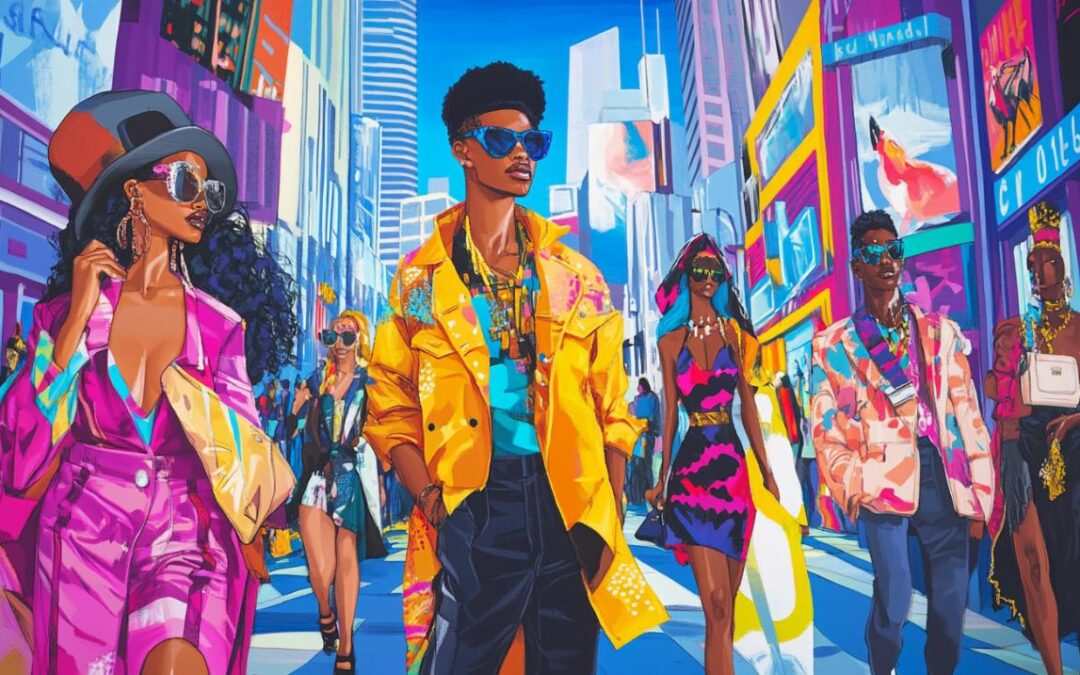
The digital realm has become the beating heart of contemporary fashion, transforming how we discover, share, and embrace new styles. From the glowing screens of our mobile devices to the endless scroll of social media feeds, the way we engage with clothing and personal expression has fundamentally shifted. What was once confined to glossy magazine pages and physical boutiques now unfolds in real-time across countless platforms, where trends emerge, evolve, and sometimes vanish in the blink of an eye. This new landscape offers unprecedented access to diverse aesthetics and allows anyone with a connection to participate in shaping what we collectively decide to wear.
The rise of digital-first fashion movements
The fashion world has witnessed a seismic shift as digital channels have taken centre stage in dictating what becomes popular and what fades into obscurity. Unlike the traditional runway shows of yesteryear, which catered to industry insiders and elite audiences, today’s fashion movements are born and nurtured online. The democratisation of style means that a teenager filming a quick video in their bedroom can spark a global trend just as effectively as a luxury brand unveiling its latest collection. This transformation has fundamentally altered the power dynamics within the industry, placing creative control in the hands of everyday consumers who share their interpretations and innovations across digital spaces.
Social media’s influence on contemporary style choices
Platforms like Instagram, TikTok, and Pinterest have revolutionised how people discover and adopt new looks, creating an environment where visual inspiration is constant and immediate. Instagram serves as a digital gallery where brands and individuals showcase their aesthetic visions, fostering direct interactions that were previously impossible. TikTok has accelerated this phenomenon even further, with its short-form video format enabling rapid dissemination of styling tips, DIY customisation ideas, and experimental fashion moments that capture collective imagination. When discussing online fashion trends and styles, it becomes clear that these platforms have not merely supplemented traditional media but have become the primary drivers of what becomes fashionable. Pinterest operates as a vast mood board where users curate their aspirational wardrobes, effectively serving as a trend forecasting tool that reveals emerging preferences before they hit mainstream consciousness. The immediacy of these platforms encourages frequent wardrobe updates and creates a sense of urgency around adopting the latest looks, sometimes referred to as fear of missing out, which keeps the cycle of trend creation perpetually spinning.
Virtual Runways and How They’re Reshaping the Industry
The concept of the fashion show itself has undergone a dramatic reimagining in the digital age, with virtual presentations and livestreamed events replacing or complementing physical gatherings. Brands have embraced technology such as augmented reality and three-dimensional modelling to create immersive experiences that reach global audiences instantaneously. These virtual runways eliminate geographical barriers, allowing anyone with an internet connection to witness collections as they debut, rather than waiting for editorial coverage weeks later. Artificial intelligence has also entered the scene, helping designers predict which elements will resonate with consumers by analysing vast amounts of data from social media interactions, search patterns, and purchase histories. Major houses have deployed AI to track real-time feedback, refine designs, and even generate virtual garments that exist solely in digital spaces. This technological integration extends to the metaverse, where fashion brands are experimenting with virtual clothing that avatars can wear, opening entirely new revenue streams and creative possibilities. The fusion of fashion with cutting-edge technology represents not just a novelty but a fundamental reshaping of how collections are conceived, presented, and consumed in an increasingly connected world.
What’s catching on in online wardrobe essentials
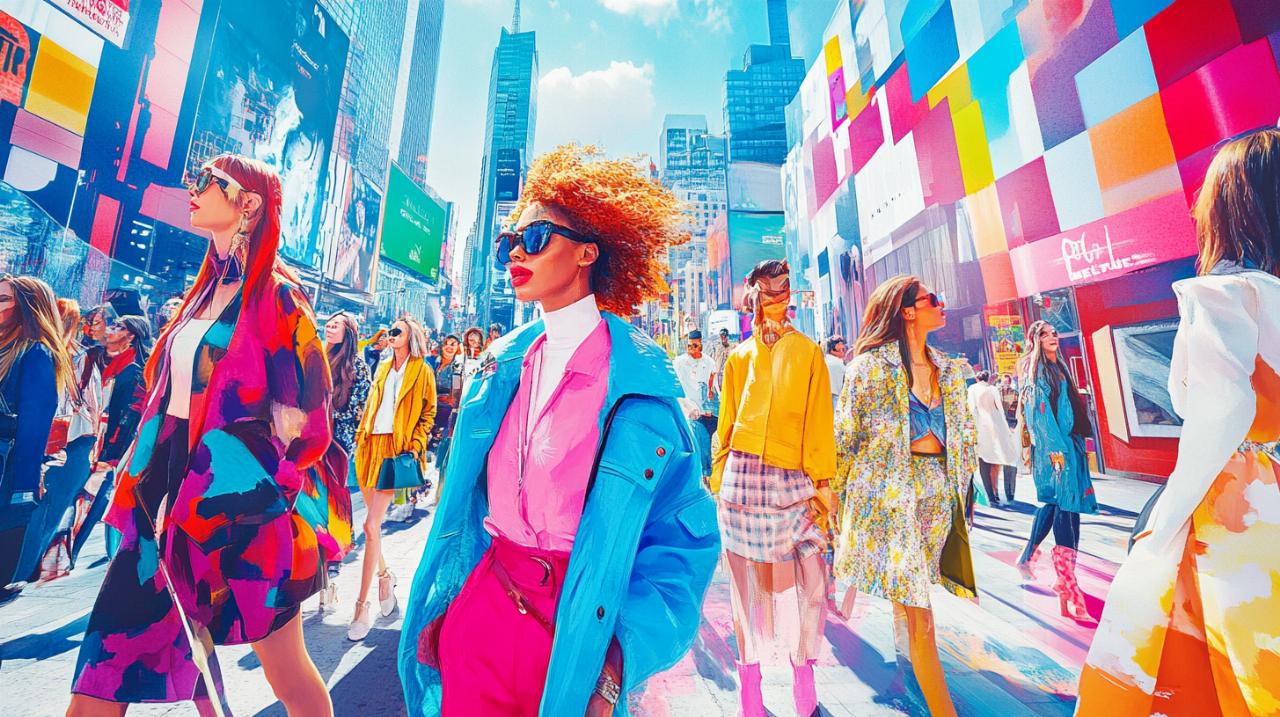
Amidst the constant churn of digital fashion discourse, certain items and aesthetics have emerged as particularly resonant with contemporary audiences. The current landscape reflects a fascinating blend of nostalgia, practicality, and bold experimentation, with styles that cater to diverse tastes and lifestyles. What unites these varied trends is their visibility across digital platforms, where they gain traction through shared imagery, styling tutorials, and endorsements from influential voices. The fashion e-commerce sector has experienced remarkable growth, with projections indicating that the market will continue expanding at a compound annual growth rate that reflects increasing consumer comfort with online shopping. This shift has made it easier than ever for niche aesthetics to find their audience and for previously overlooked styles to gain mainstream acceptance.
Fresh Looks Everyone’s Suddenly Sporting on the Web
Recent months have seen a resurgence of specific design elements and garment types that dominate feeds and shopping carts alike. Denim jackets have reclaimed their position as a versatile staple, often paired with neon trainers that inject vibrant energy into casual ensembles. Retro accessories, drawing inspiration from past decades, add character and individuality to outfits, reflecting a broader cultural fascination with nostalgia. Bold prints continue to captivate, with patterns such as leopard print showing notable increases in popularity, alongside small polka dots, exotic florals, and irregular horizontal stripes that offer visual interest without overwhelming simplicity. Meanwhile, certain patterns have fallen out of favour, with zebra prints, houndstooth, lumberjack checks, and isle prints experiencing declines as tastes evolve. The colour palette for the current season leans towards vibrant oranges, digital blues, and eco-inspired greens, reflecting both technological influence and environmental consciousness. Clothing silhouettes have embraced relaxation, with oversized hoodies and varsity stripes embodying the ongoing appeal of streetwear and athleisure. Crop tops remain ubiquitous, often styled with high-waisted bottoms for a balanced proportion, while tie-dye and bomber jackets reminiscent of iconic films add playful touches. Ruched maxi dresses have become bestsellers, offering elegance and comfort in equal measure, while smart casual elements like blazers and button-up shirts have made a notable comeback, bridging the gap between formal and relaxed dressing. The concept of high-low dressing, which mixes luxury pieces with more accessible casual items, continues to gain traction, allowing individuals to express sophistication without sacrificing comfort or approachability.
From niche to mainstream: tracking viral fashion moments
The journey from obscure aesthetic to widespread adoption has become remarkably compressed in the digital era, with certain styles achieving viral status almost overnight. This phenomenon is particularly evident in how specific garments or styling techniques gain momentum through repeated exposure across multiple platforms, often amplified by influencers who curate and reinterpret trends for their followers. The power of user-generated content cannot be overstated, as everyday individuals share their interpretations and modifications, creating a participatory culture around fashion that extends far beyond passive consumption. TikTok has been especially instrumental in this process, with its algorithm favouring content that generates engagement, thereby propelling certain looks into global consciousness within days. The platform has integrated shopping features that allow viewers to purchase items directly after watching styling videos, creating a seamless path from inspiration to acquisition. This integration of entertainment and commerce, sometimes called shoppertainment, transforms browsing into an experience that combines discovery, education, and transaction. The secondhand and resale market has also flourished online, with platforms dedicated to pre-loved garments attracting environmentally conscious consumers who seek unique pieces while reducing waste. This circular approach to fashion aligns with growing awareness of sustainability issues, as buyers increasingly consider the environmental impact of their purchasing decisions. The ethical fashion movement has gained substantial ground, with transparency around supply chains and labour practices becoming important factors in brand loyalty. As we look towards the near future, innovations such as interactive fabrics, custom prints created through digital tools, three-dimensional printed clothing, and AI-powered fashion presentations promise to further transform the landscape, ensuring that the relationship between technology and style will continue to deepen and surprise in equal measure.