
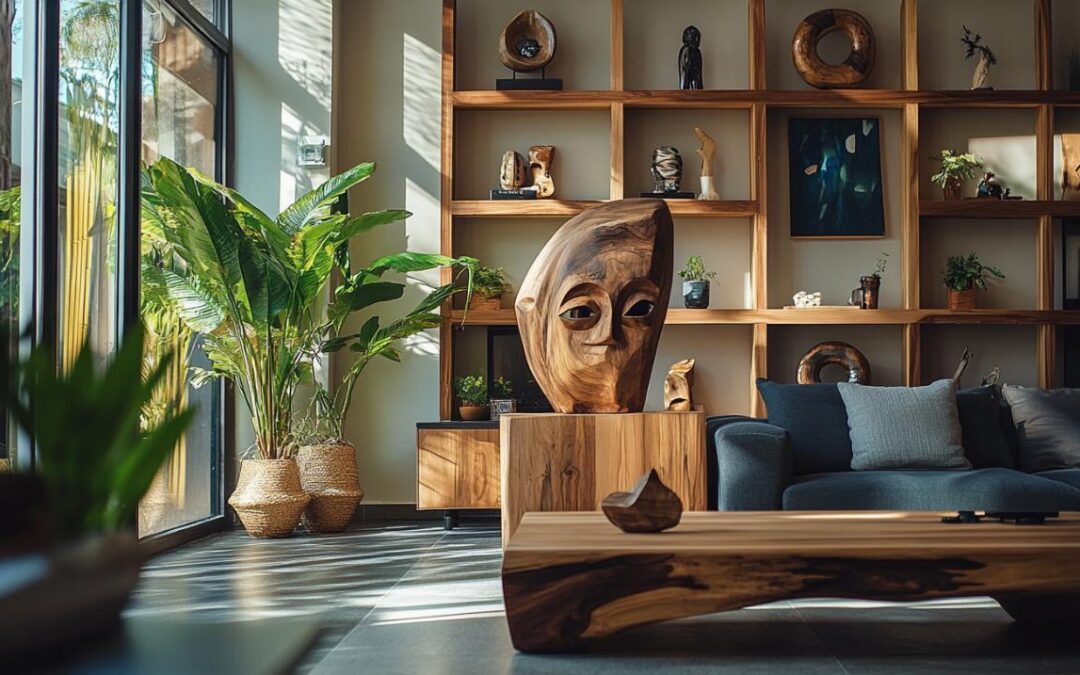
Transforming your living space into a haven of style and comfort often requires a touch of natural beauty, and few materials accomplish this quite like timber. Whether you're aiming for a countryside retreat or a sleek urban dwelling, incorporating wooden elements offers an unparalleled warmth and sophistication. From handcrafted furnishings to subtle decorative touches, the possibilities are endless when it comes to enhancing your home's character with the rich textures and tones that only wood can provide.
Rustic charm: bringing warmth through timber accents
There is something undeniably comforting about the rustic aesthetic, and timber plays a starring role in achieving this inviting atmosphere. The natural grain and earthy hues of wood create a sense of grounding, making any room feel more connected to nature. When you introduce rustic wooden accents into your interior design, you invite a layer of authenticity and soul that modern materials simply cannot replicate. The tactile quality of timber, combined with its visual appeal, encourages a slower pace of life and a deeper appreciation for craftsmanship and heritage.
Reclaimed wood features for authentic character
One of the most effective ways to inject genuine personality into your home is by incorporating reclaimed timber. This approach not only celebrates sustainable living but also brings with it a storied past that adds depth to your interior spaces. Reclaimed wood often showcases unique imperfections, knots, and weathering patterns that tell a tale of its previous life, whether it once formed part of an old barn, a factory floor, or a historic building. These characteristics make each piece entirely unique, ensuring that your home stands apart from any other.
When considering wooden home decor ideas, reclaimed timber can be fashioned into statement wall panels, sturdy dining tables, or even bespoke shelving units that become focal points in living rooms and kitchens. The beauty of using reclaimed materials lies in their versatility and the way they harmonise with both contemporary and traditional settings. A reclaimed oak beam repurposed as a mantelpiece, for instance, can anchor a room with its robust presence whilst simultaneously providing a talking point for guests. Similarly, reclaimed pine floorboards introduce a sense of history underfoot, their worn surfaces lending an inviting patina that new timber simply cannot replicate.
Beyond aesthetics, choosing reclaimed wood aligns with a growing awareness of environmental responsibility. By giving old timber a new lease of life, you reduce the demand for freshly cut trees and minimise waste, all whilst enriching your home with materials that carry a unique provenance. This mindful approach to interior design reflects a broader appreciation for quality over quantity, and a desire to create spaces that feel both timeless and deeply personal.
Natural grain finishes to create cosy atmospheres
The natural grain of wood is one of its most captivating features, offering an organic beauty that cannot be replicated by synthetic materials. Whether you opt for the bold, sweeping patterns of walnut or the subtle, delicate lines of ash, the grain tells its own story and adds a layer of visual interest to any surface. Embracing natural finishes means celebrating these inherent qualities rather than concealing them, allowing the timber to speak for itself and infusing your home with an unpretentious elegance.
Natural grain finishes are particularly effective in creating cosy atmospheres, as they evoke a sense of calm and authenticity. A dining table crafted from mahogany, with its rich reddish-brown tones and distinctive grain, can become the heart of family gatherings, radiating warmth and inviting conversation. Similarly, cedar cladding on a bedroom wall introduces a gentle fragrance and a soothing visual texture that enhances relaxation. The key is to allow the wood to remain as close to its natural state as possible, using clear oils or waxes that enhance the grain without masking its inherent beauty.
Regular polishing and proper wood care are essential to maintaining the lustre and integrity of natural grain finishes. Avoiding direct sunlight helps prevent fading and drying, whilst periodic treatment with appropriate oils ensures the timber remains supple and vibrant. By investing time in wood maintenance, you preserve the aesthetic appeal of your timber features and extend their lifespan, ensuring they continue to contribute to your home's cosy atmosphere for years to come.
Versatile wooden pieces for every interior style
One of the most compelling aspects of wood is its remarkable versatility. Timber seamlessly adapts to a wide range of interior styles, from the sleek lines of contemporary minimalism to the ornate details of traditional British craftsmanship. This adaptability makes it an ideal choice for homeowners looking to refresh their spaces without committing to a single aesthetic. Whether your taste leans towards the avant-garde or the classic, there is a type of wood and a design approach that will complement your vision perfectly.
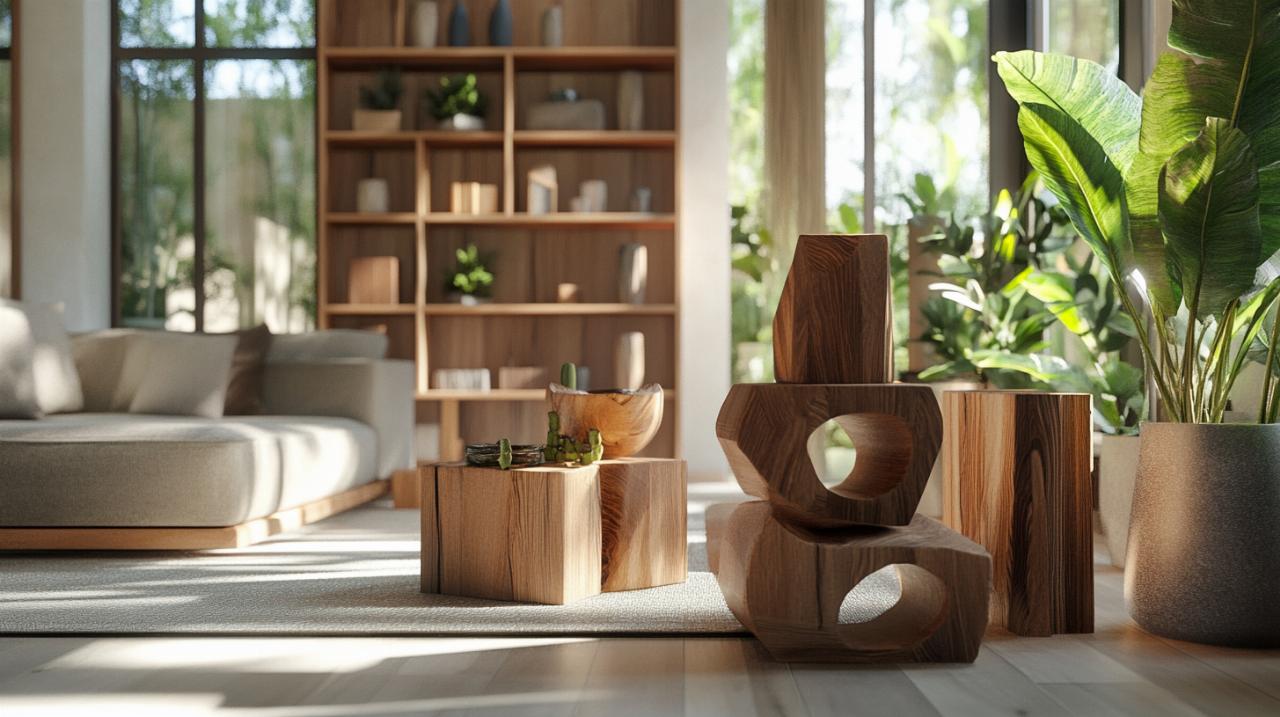
Contemporary minimalist designs using sleek timber
In the realm of modern design, less is often more, and sleek timber selections are perfectly suited to this philosophy. Softwoods such as pine, cedar, and spruce are favoured for their lighter tones and clean appearance, which help to create airy, uncluttered spaces that feel both sophisticated and serene. These materials are often finished with smooth, matte surfaces that emphasise simplicity and allow the natural beauty of the wood to shine without unnecessary embellishment.
Contemporary minimalist interiors benefit greatly from the use of timber in furniture and fixtures that prioritise function and form in equal measure. A streamlined oak console table, for instance, can serve as both a practical surface and a piece of sculptural art, its understated elegance enhancing rather than overwhelming the surrounding decor. Similarly, floating shelves crafted from light-coloured timber provide storage solutions that feel effortless and unobtrusive, maintaining the open, breathable quality that defines minimalist spaces.
Combining wood with other materials such as metal, glass, and concrete further elevates the modern aesthetic, introducing contrasts in texture and finish that add visual interest. A timber dining table with slender steel legs exemplifies this approach, balancing the warmth of wood with the industrial coolness of metal. This interplay between different materials not only enhances the overall design but also underscores the versatility of timber as a foundational element in contemporary interiors. The durability of these hardwoods and softwoods ensures that even the most pared-back designs retain a sense of substance and longevity, proving that simplicity need not come at the expense of quality.
Traditional craftsmanship for classic british homes
For those who cherish the timeless elegance of traditional British interiors, wood remains an essential component, embodying a heritage of skilled carpentry and cabinetmaking that has been passed down through generations. Hardwoods such as oak, mahogany, and walnut have long been associated with prestige and refinement, their deep, luxurious tones and robust construction lending an air of gravitas to any room. These materials are often employed in bespoke furniture, panelling, and architectural details that reflect a commitment to craftsmanship and attention to detail.
Traditional wooden decor frequently features intricate carving, turned legs, and other ornamental details that showcase the artisan's skill and patience. A mahogany bookcase with hand-carved mouldings, for instance, becomes more than just a functional piece; it is a testament to the enduring appeal of fine woodwork and a nod to the storied history of British interior design. Similarly, oak wainscoting in a study or dining room adds a layer of formality and warmth, its vertical panels creating a sense of height and structure that complements period architecture.
Exotic woods such as teak and rosewood also find their place in classic British homes, offering both visual flair and exceptional durability. These materials are often reserved for statement pieces like dining tables or sideboards, where their distinctive grain and rich colouration can be fully appreciated. The use of such timbers underscores a commitment to quality and a respect for the natural world, values that resonate deeply within traditional design philosophies.
Maintaining these treasured pieces requires diligent wood care, including regular polishing and protection from environmental factors that can cause damage over time. By avoiding direct sunlight and ensuring proper humidity levels, you safeguard the beauty and integrity of your timber furnishings, allowing them to be enjoyed by future generations. This reverence for craftsmanship and material is what sets traditional British interiors apart, creating homes that are not only beautiful but also imbued with a sense of history and continuity.
In conclusion, whether you are drawn to the rustic allure of reclaimed timber or the refined elegance of hardwoods, wood offers an extraordinary range of possibilities for enhancing your home's aesthetic. Its versatility allows it to adapt to any interior style, from modern minimalism to classic British tradition, whilst its natural warmth and timeless appeal ensure that it remains a cherished element of interior design. By thoughtfully incorporating timber accents and caring for them with attention and respect, you create living spaces that are both inviting and enduring, reflecting your personal taste and a deep appreciation for the beauty of natural materials.