
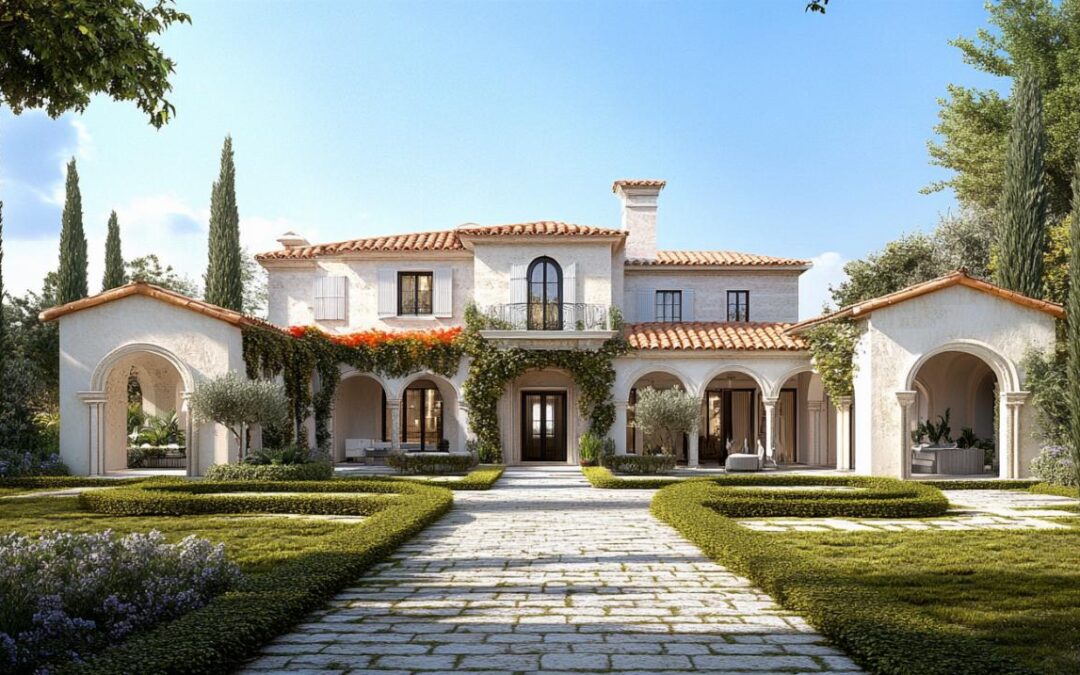
The allure of Mediterranean design lies in its timeless elegance and ability to evoke a sense of tranquillity and warmth. Inspired by the sun-drenched coasts of Spain, Italy, and Greece, this architectural style seamlessly blends natural materials, earthy hues, and open spaces to create homes that feel both grand and inviting. Whether you are planning a retreat in Benissa, Calpe, or Moraira, or simply seeking inspiration for your next project, understanding the core principles of Mediterranean design will help you craft a space that celebrates the region's rich heritage and lifestyle.
Embracing authentic mediterranean architectural elements
At the heart of Mediterranean villa design is a deep respect for natural materials and traditional craftsmanship. The style draws from centuries of architectural evolution, beginning around 9000 BC when early builders used clay, stucco, and terracotta to construct homes that could withstand the region's intense heat. These materials remain central to the aesthetic today, offering both practical benefits and visual appeal. A beautiful villa in Mediterranean style often features whitewashed exterior walls that reflect sunlight and keep interiors cool, a technique that has been perfected over millennia. The use of natural stone, whether in flooring, cladding, or decorative accents, adds texture and a sense of permanence to the structure.
Wooden beams are another hallmark of this design approach, often left exposed to showcase their rustic beauty and provide a sense of warmth. These beams not only serve a structural purpose but also contribute to the overall character of the space, creating a visual connection to the natural world. The integration of these elements ensures that each villa feels unique and grounded in its surroundings, whether it is nestled in the hills of Teulada or overlooking the coastline near Jal贸n. The emphasis on authenticity and quality craftsmanship is what sets Mediterranean architecture apart from other styles, making it a popular choice for holiday rentals and permanent residences alike.
Traditional terracotta and natural stone features
Terracotta, with its warm, earthy tones, is perhaps the most iconic material associated with Mediterranean villas. Commonly used for roof tiles, terracotta has a lifespan of up to a century, making it a practical and sustainable choice for builders. These clay tiles not only provide excellent insulation but also contribute to the distinctive silhouette of Mediterranean architecture, with their gently sloping profiles and rustic finish. Inside the home, terracotta can be used for flooring, creating a seamless transition between indoor and outdoor spaces. The natural variations in colour and texture add depth and character, ensuring that no two tiles are exactly alike.
Natural stone, whether sourced locally or imported, is equally important in creating an authentic Mediterranean aesthetic. Stone countertops in the kitchen, for example, offer durability and timeless beauty, while stone walls or fireplaces add a sense of solidity and history. In regions like Alicante and the Costa Blanca, where the landscape is dotted with limestone and sandstone, incorporating these materials into villa design helps to anchor the building within its environment. The rough-hewn texture of stone contrasts beautifully with smoother surfaces like plaster or polished wood, creating a balanced and visually interesting composition.
Arched doorways and whitewashed exterior walls
Arches are a defining feature of Mediterranean design, appearing in doorways, windows, and even interior passages. These graceful curves soften the lines of a building, creating a sense of flow and elegance. Archways also serve a practical function, allowing for better air circulation and natural light distribution throughout the villa. In Spanish Colonial and Spanish Revival styles, which flourished between the 18th and mid-20th centuries, arched entryways often lead to shaded courtyards, providing a cool retreat from the summer heat. The symmetry of these architectural details contributes to the overall harmony of the design, a principle that is central to Mediterranean aesthetics.
Whitewashed walls, meanwhile, are both a practical and aesthetic choice. The bright white finish reflects sunlight, helping to keep interiors cool during the hottest months of the year. This tradition dates back thousands of years and remains a cornerstone of the style today. The simplicity of white walls also provides a neutral backdrop for decorative elements such as hand-painted tiles, wrought iron fixtures, and vibrant textiles. Whether combined with the ochre tones of terracotta or the deep greens of surrounding foliage, whitewashed exteriors create a striking visual contrast that is instantly recognisable.
Creating seamless indoor-outdoor living spaces
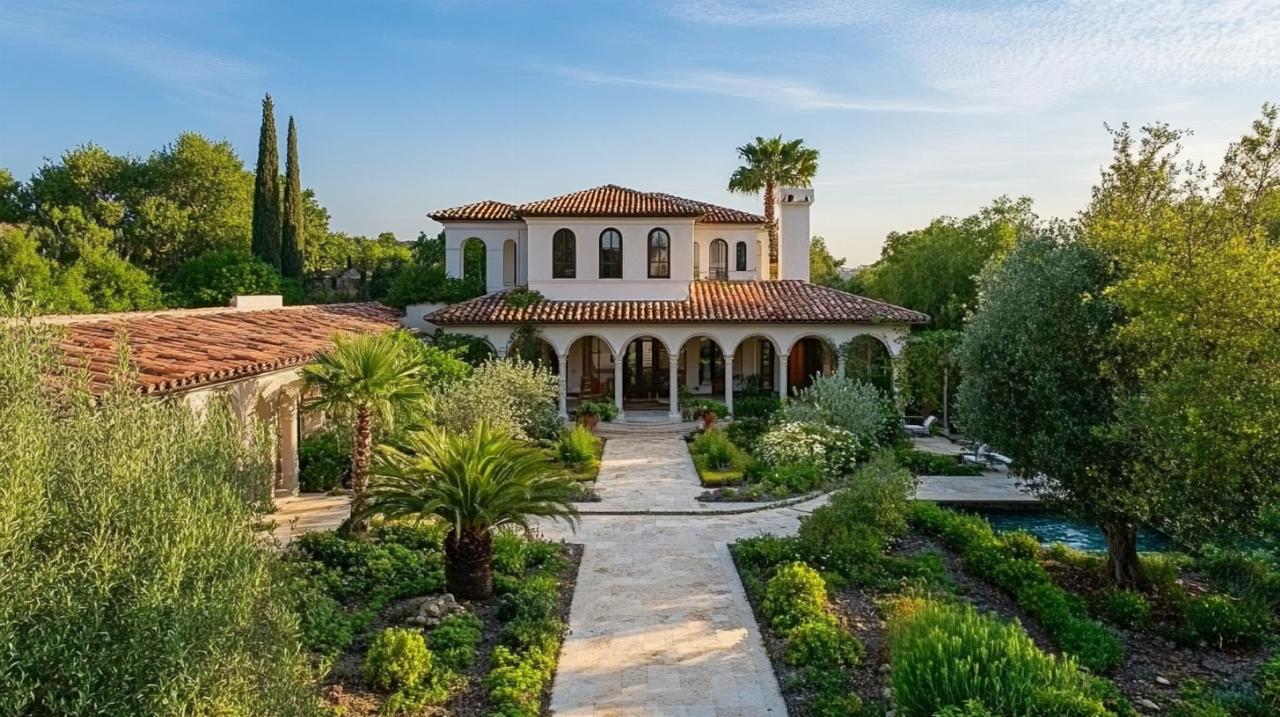
One of the most appealing aspects of Mediterranean villa design is the emphasis on blurring the boundaries between indoor and outdoor spaces. This approach reflects the region's temperate climate and outdoor-oriented lifestyle, where meals are enjoyed al fresco and leisure time is spent in gardens and terraces. The design of patios, courtyards, and covered areas is not an afterthought but an integral part of the overall architectural plan. By creating spaces that invite residents and guests to step outside, Mediterranean villas foster a deeper connection with nature and encourage a more relaxed way of living.
Strategic placement of windows, doors, and transitional spaces ensures that natural light floods the interior while maintaining a sense of privacy. Large glass doors or folding panels can open up a living room or dining area to a terrace, effectively doubling the usable space and creating a seamless flow. This design philosophy is particularly well-suited to the Costa Blanca, where mild winters and long, sunny summers make outdoor living a year-round possibility. Whether you are considering a holiday rental in Benitachell or a permanent residence in Marbella, the integration of indoor and outdoor spaces will enhance both the functionality and aesthetic appeal of your villa.
Courtyard gardens and covered terraces
Courtyards have been a feature of Mediterranean architecture since ancient times, serving as private sanctuaries within the home. These enclosed gardens provide shade, reduce noise, and create a microclimate that is cooler than the surrounding areas. In Spanish Colonial villas, courtyards often feature a central fountain or well, which not only adds a decorative element but also helps to humidify the air. Planting Mediterranean species such as lavender, rosemary, and olive trees enhances the sensory experience, filling the space with fragrance and colour.
Covered terraces, or loggias, offer another way to enjoy the outdoors while remaining protected from the elements. These shaded areas are perfect for dining, entertaining, or simply relaxing with a book. The use of wooden beams or stone pillars to support the roof adds architectural interest and ties the terrace to the main structure of the villa. In properties managed by Villas Guzman, these outdoor spaces are often thoughtfully designed to take advantage of views over the sea or surrounding countryside, maximising the visual impact and creating a sense of place.
Strategic Placement of Pergolas and Water Features
Pergolas are a classic feature of Mediterranean gardens, providing dappled shade and a framework for climbing plants such as bougainvillea or grapevines. These structures can define a seating area, create a covered walkway, or simply add vertical interest to a flat landscape. The interplay of light and shadow beneath a pergola enhances the visual appeal of the garden and offers a cool retreat during the hottest part of the day. When combined with comfortable, functional furniture made from natural materials, a pergola becomes an inviting outdoor room that extends the living space of the villa.
Water features, whether in the form of fountains, pools, or reflecting ponds, are another key element of Mediterranean garden design. The sound of trickling water creates a soothing atmosphere and helps to mask any background noise, enhancing the sense of tranquillity. In Italian Renaissance villas, fountains were often elaborate and ornately decorated, serving as focal points for the garden. Modern interpretations tend to be simpler but no less effective, with clean lines and minimalist detailing that complement the overall aesthetic. Whether you are designing a villa in Calpe or Moraira, the inclusion of a water feature will add a touch of luxury and a sense of calm to your outdoor space.