
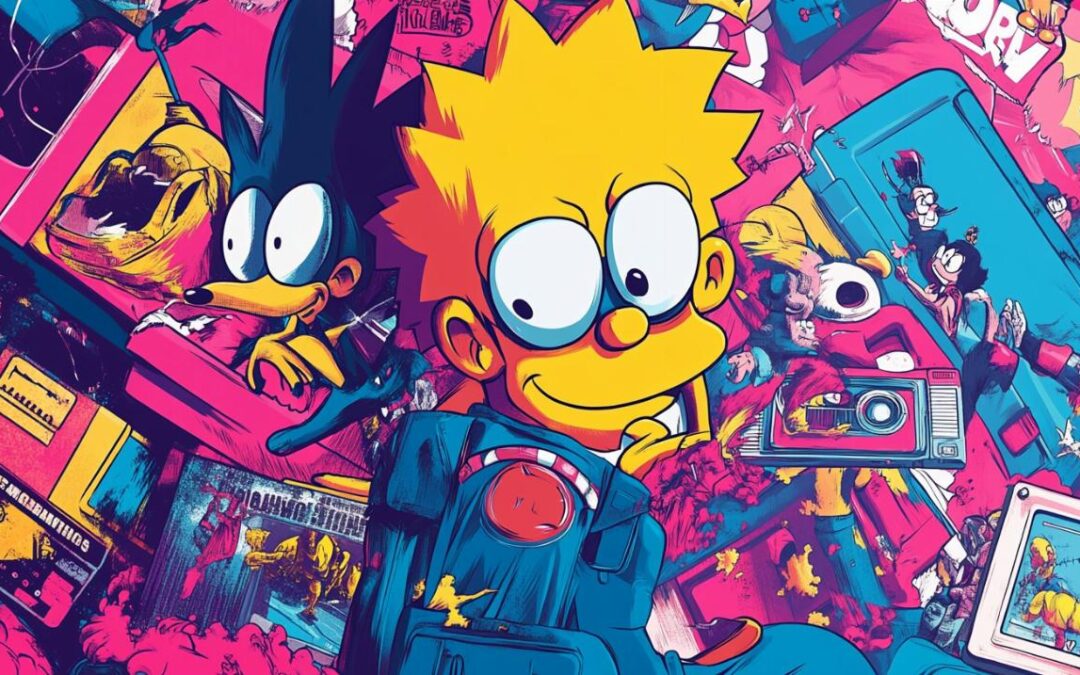
The 1990s represented a transformative period in television animation, a decade that fundamentally reshaped the landscape of entertainment and left an indelible mark on generations of viewers. From groundbreaking visual techniques to narratives that challenged conventional storytelling, the era delivered a wealth of programming that continues to resonate today. This exploration delves into the defining characteristics of 90s cartoons and examines their profound cultural influence, particularly on British audiences who grew up with these animated treasures lighting up their screens.
The golden era: defining characteristics of 1990s animation
The 1990s witnessed a remarkable evolution in animated content, a period often celebrated as a golden era due to its innovative spirit and willingness to push boundaries. This decade saw animation transition from being perceived solely as children’s fare to a medium capable of sophisticated commentary and entertainment for all ages. The Simpsons, which debuted at the dawn of the decade, set the tone for what was to come, introducing satire and pop culture references that would become hallmarks of the era. Channels such as Nickelodeon and Cartoon Network emerged as powerhouses, launching original programming that captured the imagination of millions. The rise of cable television fundamentally altered how audiences consumed animated content, moving away from traditional Saturday morning cartoon blocks towards a more continuous and varied viewing experience.
Revolutionary animation techniques and visual storytelling
Technological advancements during the 1990s transformed the visual language of animation, introducing techniques that expanded creative possibilities. Computer-generated imagery began its ascent, with Reboot in 1994 serving as a pioneering example of fully CGI television animation. The release of Toy Story in 1995 further popularised this approach, demonstrating the potential of digital animation to craft emotionally resonant stories with stunning visual fidelity. Traditional hand-drawn animation remained dominant throughout most of the decade, but studios experimented with hybrid techniques and increasingly sophisticated production methods. The visual storytelling of the era became more dynamic, with shows employing inventive camera angles, expressive character designs, and vibrant colour palettes that distinguished individual programmes. Animation was growing faster than average at eight percent, reflecting the industry’s expanding ambitions and the recognition that animated content could drive awareness of social issues through compelling visuals and narratives.
The Rise of Diverse Narratives and Character Development
Beyond technical innovation, the 1990s marked a significant shift in the thematic depth and narrative complexity of animated programming. Shows such as Dexter’s Laboratory, Johnny Bravo, and The Powerpuff Girls offered distinct perspectives and explored themes that ranged from the humorous to the surprisingly profound. Courage the Cowardly Dog, for instance, blended horror elements with heartfelt storytelling, teaching viewers about bravery in the face of fear. These programmes moved away from simplistic moral tales, instead presenting characters with genuine flaws, aspirations, and growth arcs. Adult-oriented animation experienced a revival, challenging the notion that cartoons existed solely for younger audiences. The Simpsons led this charge, followed by other series that employed satire and cultural commentary to engage older viewers. This diversification enriched the medium, allowing animation to address a broader spectrum of human experience and modern trends in lifestyle and society, making it a powerful vehicle for both entertainment and reflection.
Cultural influence: how 90s cartoons shaped contemporary british youth
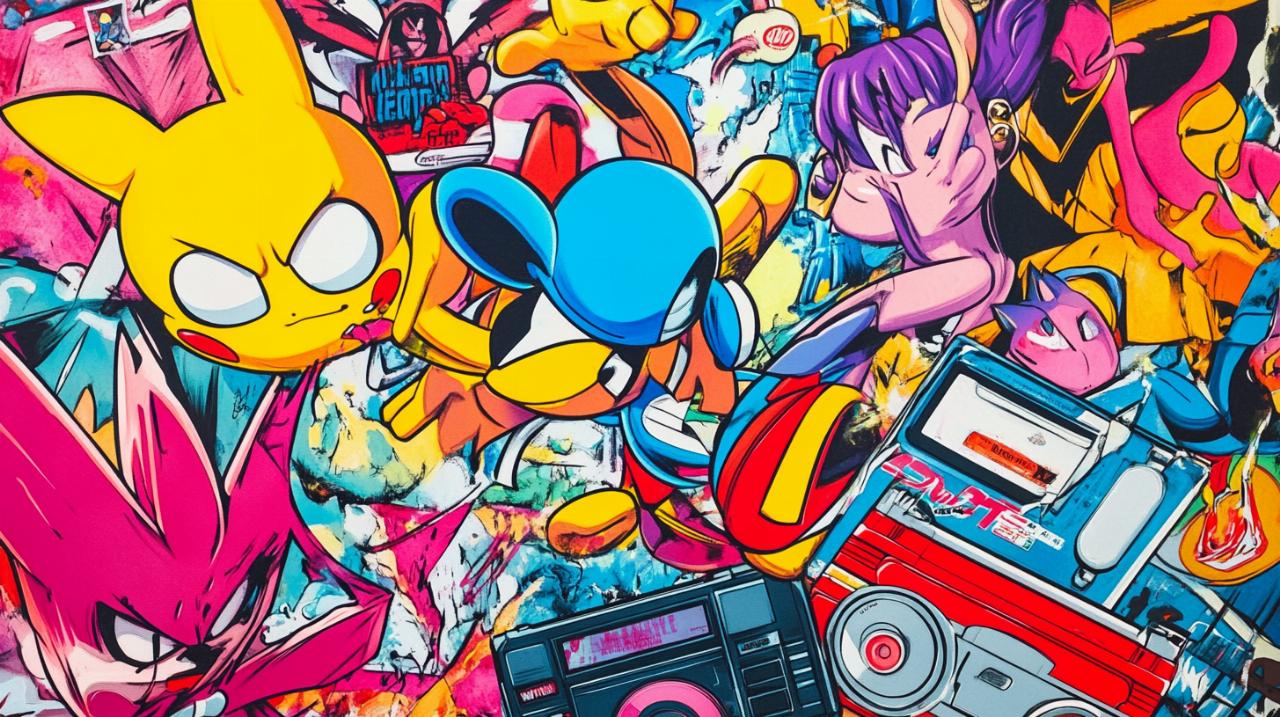
The impact of 1990s animation extended far beyond the television screen, permeating the daily lives and formative experiences of British youth. These programmes became cultural touchstones, shaping conversations in schoolyards, influencing fashion choices, and even informing the values that a generation carried into adulthood. The accessibility of channels like Nickelodeon and Cartoon Network meant that children across the United Kingdom shared common references and experiences, creating a collective nostalgia that endures decades later. The characters and stories of this era were not merely passive entertainment; they actively engaged with the social and emotional development of their audiences, offering lessons and perspectives that resonated deeply.
Social Values and Behavioural Patterns Reflected in Animated Programming
Cartoons from the 1990s were imbued with social values and life lessons, often delivered in subtle and entertaining ways. Johnny Bravo, despite his comedic misadventures, illustrated that rejection is a natural part of life and nothing to be ashamed of. Courage the Cowardly Dog emphasised the importance of courage, showing that bravery often means facing one’s fears despite overwhelming odds. Aladdin encouraged viewers to embrace authenticity, to be themselves rather than conform to external expectations. The Flintstones, though originating earlier, continued to remind audiences that happiness is ultimately a personal choice. Dexter’s Laboratory inspired young minds to dream big and pursue their passions, no matter how unconventional. Scooby-Doo reassured viewers that making mistakes is not only acceptable but an essential part of learning and growing. Popeye reinforced the value of healthy eating, particularly vegetables, while Captain Planet championed environmental stewardship and the importance of caring for the planet. The Powerpuff Girls boldly addressed themes of equality, demonstrating that strength and heroism are not confined by gender. Batman explored the role of fear, both as a tool and as something to be understood and managed. These narratives collectively contributed to the moral and social education of a generation, embedding lessons that shaped behavioural patterns and worldviews.
Long-term Effects on Popular Culture and Modern Media Consumption
The legacy of 1990s animation continues to influence contemporary popular culture and the way audiences engage with media. The decline of traditional Saturday morning cartoon blocks, driven by the rise of cable networks, fundamentally altered viewing habits and set the stage for the on-demand culture that defines today’s entertainment landscape. The decade’s embrace of satire, pop culture references, and genre-blending paved the way for modern animated series that similarly challenge conventions and appeal to diverse audiences. Childhood nostalgia for 90s cartoons fuels a thriving market for merchandise, reboots, and retrospectives, demonstrating the enduring emotional connection that viewers maintain with these programmes. The era’s emphasis on character-driven storytelling and thematic depth has become a standard expectation, influencing not only animation but also live-action programming and digital content. The rise of adult-oriented animation, which gained momentum in the 1990s, has evolved into a robust genre with shows that tackle complex social, political, and existential themes. In many ways, the 1990s served as a blueprint for contemporary media, proving that animation could be a versatile and impactful medium capable of shaping cultural conversations and societal values. The influence of this golden era remains palpable, a testament to the creativity and vision of the artists, writers, and producers who dared to reimagine what cartoons could achieve.